
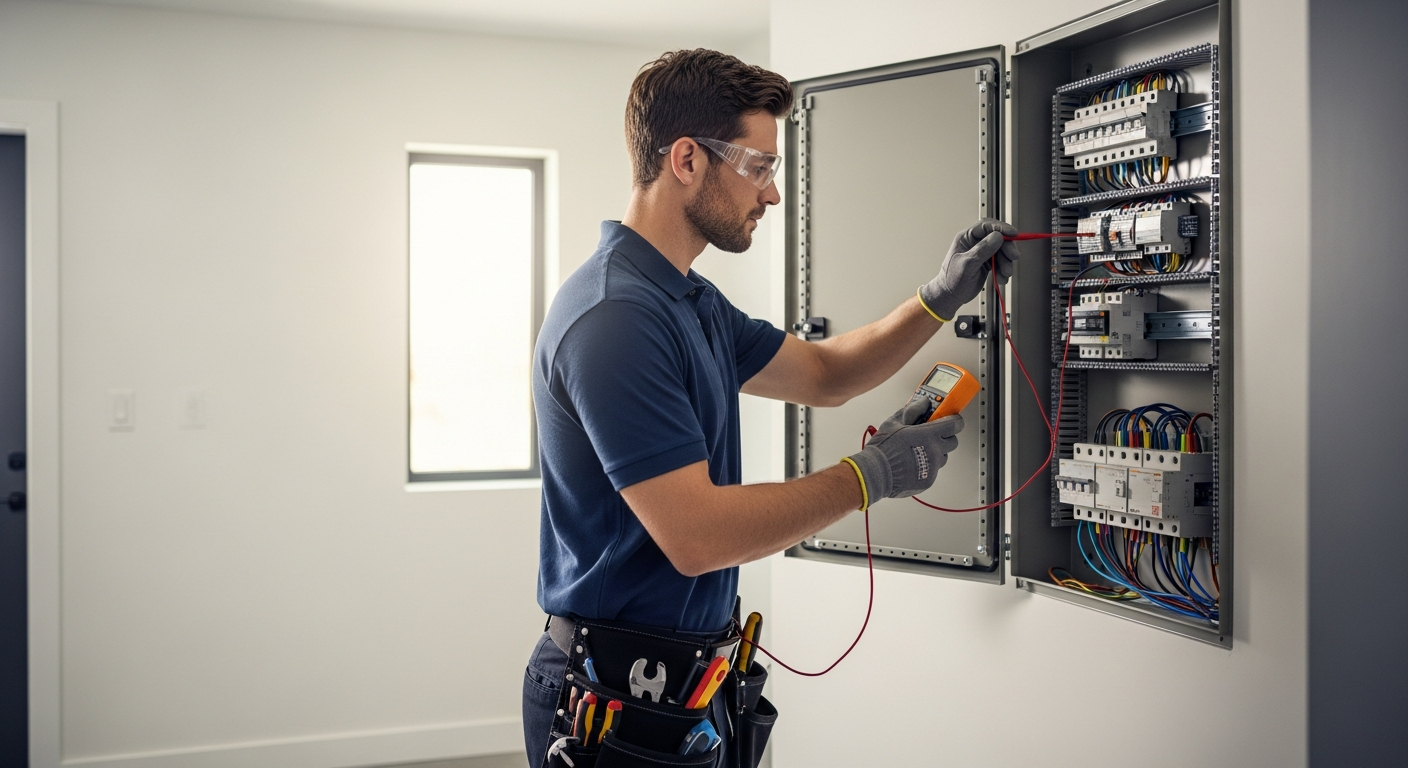
Electrical code violations represent one of the most serious categories of building code non-compliance, with direct implications for life safety and property protection. According to the National Fire Protection Association (NFPA), electrical failures are the second leading cause of home fires in the United States, causing an estimated $1.5 billion in property damage annually (NFPA, 2023). This comprehensive guide provides homeowners with critical information about electrical code violations, their causes, consequences, and resolution strategies.
Understanding Electrical Codes
The National Electrical Code (NEC), also known as NFPA 70, serves as the primary standard for electrical safety in residential and commercial buildings. Published by the National Fire Protection Association and updated every three years, the NEC establishes minimum requirements for safe electrical design, installation, and inspection. The International Code Council notes that all 50 states have adopted some version of the NEC, though adoption cycles vary (ICC, 2023). For a broader understanding of building codes, see our comprehensive guide to building code violations.
The Purpose of Electrical Codes
Electrical codes exist to prevent electrical fires, electric shock, and electrocution. The Electrical Safety Foundation International (ESFI) reports that adherence to electrical codes could prevent approximately 51,000 home electrical fires annually (ESFI, 2023). Understanding this protective purpose helps homeowners appreciate the importance of code compliance.
Codes address several critical safety areas including conductor sizing and protection to prevent overheating, grounding and bonding to direct fault currents safely, overcurrent protection to stop electrical fires before they start, and proper installation methods to ensure long-term safety.
Common Electrical Code Violations
Outdated Electrical Panels
Older electrical panels, particularly those manufactured by Federal Pacific, Zinsco, and Pushmatic, have documented safety issues and may not meet current code requirements. The Consumer Product Safety Commission has investigated these panels for failure to trip during overcurrent conditions (CPSC, 2023). Panel upgrades are frequently required when bringing properties into compliance.
Missing GFCI Protection
Ground Fault Circuit Interrupter (GFCI) protection is required in wet locations including kitchens, bathrooms, garages, and outdoor areas. The National Electrical Code has progressively expanded GFCI requirements over decades as data demonstrated their effectiveness in preventing electrocution. Homes built before GFCI requirements were enacted often lack this protection.
The GFCI monitors electrical current and trips instantly when it detects imbalance indicating current leakage to ground, potentially through a person. The Electrical Safety Foundation International credits GFCI technology with reducing electrocutions in homes by 83% since the 1970s (ESFI, 2023).
Missing AFCI Protection
Arc Fault Circuit Interrupters (AFCIs) detect dangerous electrical arcs that can cause fires. Current code requires AFCI protection in bedrooms and most living spaces. The NFPA estimates that AFCI protection could prevent over 50% of electrical fires caused by arcing faults (NFPA, 2023).
Improper Wiring
Wiring violations take many forms including improper connections, undersized conductors, damaged insulation, and exposed wiring. The National Electrical Contractors Association reports that improper wiring is found in approximately 30% of homes inspected during real estate transactions (NECA, 2023).
Specific wiring violations include aluminum wiring connections not properly addressed, backstabbed receptacles rather than proper screw connections, extension cords used as permanent wiring, and junction boxes that are inaccessible or improperly covered.
Overloaded Circuits
Circuits loaded beyond their rated capacity create fire hazards through overheating. The U.S. Fire Administration identifies overloaded circuits as a significant contributor to electrical fires (USFA, 2023). Modern electrical loads often exceed the capacity of older electrical systems, making upgrades necessary.
Need Help With Your Building Code Violation?
Get expert guidance from our team. Free consultation, 98% success rate, nationwide service.
How Electrical Violations Are Discovered
Home Inspections
Pre-purchase home inspections frequently identify electrical violations. The American Society of Home Inspectors reports that electrical issues are found in over 60% of homes inspected (ASHI, 2023). While home inspectors identify visible issues, they typically recommend further evaluation by licensed electricians for suspected violations.
Permit Inspections
When permits are obtained for unrelated work, inspectors may note electrical violations that affect overall compliance. This discovery can expand project scope but provides an opportunity to address safety issues. Learn more about the permit process in our complete guide to building permits.
Insurance Inspections
Insurance companies increasingly inspect properties during underwriting. The Insurance Information Institute notes that electrical issues are among the most common findings leading to coverage restrictions or cancellations (III, 2023).
Visible Signs
Some electrical problems create visible symptoms including flickering lights that may indicate loose connections or overloaded circuits, discolored outlets or switches suggesting overheating, burning odors near electrical equipment, and frequently tripping breakers indicating overcurrent conditions.
The Dangers of Electrical Violations
Fire Risk
The National Fire Protection Association reports that electrical distribution and lighting equipment cause an average of 46,700 home structure fires annually, resulting in 390 deaths, 1,330 injuries, and $1.5 billion in direct property damage (NFPA, 2023). Electrical fires often originate in hidden locations, making early detection difficult.
Electrocution Risk
Electrical violations create conditions that can result in electric shock or electrocution. The Electrical Safety Foundation International reports approximately 400 electrocutions annually in the United States, with a significant portion occurring in residential settings (ESFI, 2023). Proper grounding, GFCI protection, and compliant wiring are essential safeguards.
Property Damage
Beyond fire damage, electrical violations can cause damage through power surges, equipment failures, and damage to sensitive electronics. The Insurance Information Institute estimates that electrical surge damage costs homeowners billions annually (III, 2023).
Resolution Process for Electrical Violations
Professional Assessment
Resolution begins with a comprehensive assessment by a licensed electrician. This assessment should identify all code violations, not just the originally noted issues. The National Electrical Contractors Association recommends whole-home electrical evaluations when any significant violations are found (NECA, 2023).
Prioritizing Corrections
Some electrical violations present immediate safety hazards requiring urgent attention, while others represent code non-compliance without imminent danger. Professional guidance helps prioritize corrections based on safety impact and code requirements.
Immediate priorities typically include exposed wiring or damaged insulation, overloaded circuits showing signs of overheating, missing covers on junction boxes or panels, and any condition creating shock or fire hazard.
Permit Requirements
Most electrical work requires permits, including correction of code violations. The permit process ensures that corrective work is properly inspected and meets current code requirements. Working with licensed electricians familiar with local requirements facilitates the permit process. If your electrical work was done without permits, our guide on legalizing unpermitted work can help.
Inspection and Approval
After corrections are complete, electrical inspectors verify code compliance. Passing inspection confirms that violations have been properly addressed and the electrical system meets safety standards.
Need Help With Your Building Code Violation?
Get expert guidance from our team. Free consultation, 98% success rate, nationwide service.
Prevention Strategies
Use Licensed Electricians
Licensed electricians understand code requirements and perform work that meets standards. The Contractors State License Board reports that unlicensed electrical work is significantly more likely to contain code violations (CSLB, 2023).
Obtain Permits
Permits trigger inspections that catch violations before they become embedded in finished construction. The permit process also creates documentation of compliant work that benefits property owners during sales and insurance processes.
Regular Maintenance
Periodic electrical system maintenance identifies developing issues before they become violations or hazards. The Electrical Safety Foundation International recommends professional electrical inspections at least every 10 years, or when purchasing a home (ESFI, 2023).
Stay Informed
Electrical codes evolve as safety research advances. Staying informed about current requirements helps homeowners make informed decisions about upgrades and improvements.
Conclusion
Electrical code violations are serious safety concerns that require prompt attention. Understanding the types of violations, their dangers, and resolution processes empowers homeowners to protect their families and properties. Working with licensed professionals and obtaining proper permits ensures that electrical systems meet safety standards.
If you're dealing with electrical code violations or need help navigating the resolution process, contact PermitPatch at (323) 591-3717 for a free consultation. Our experienced team can guide you through bringing your electrical systems into full compliance.
References
American Society of Home Inspectors. (2023). Home Inspection Findings Report. ASHI Publications.
Consumer Product Safety Commission. (2023). Electrical Panel Safety. CPSC Reports.
Contractors State License Board. (2023). Licensed vs. Unlicensed Contractor Outcomes. CSLB Research.
Electrical Safety Foundation International. (2023). Home Electrical Safety Report. ESFI Publications.
Insurance Information Institute. (2023). Electrical Safety and Insurance. III Publications.
International Code Council. (2023). NEC Adoption Summary. ICC Publications.
National Electrical Contractors Association. (2023). Residential Electrical Survey. NECA Research.
National Fire Protection Association. (2023). Home Electrical Fire Report. NFPA Publications.
U.S. Fire Administration. (2023). Residential Fire Causes. USFA Reports.
Concerned About Electrical Safety?
Get expert help resolving electrical code violations. Free consultation available.
Schedule Free Consultation (323) 591-3717